Phoenix Roofing AZ

Phoenix Roof Replacement

Roof repair or replacement should begin with a clear look at the entire roof, not a sales pitch. Get a free inspection, straightforward options, insurance claim documentation, financing assistance, and up to $1,500 off an eligible new roof.

Limited-time promotion: save up to $1,500 on an eligible new roof
Phoenix home with a completed roof and desert landscaping
Complete plans for tile, shingle, flat, and low-slope roofing systems across Phoenix.
Call (602) 582-9009
Our approach Inspect before recommending
Your proposal A clear, written project scope
Project support Insurance and financing guidance
Current promotion Up to $1,500 off a new roof
Built for the desert

Phoenix Roof Replacement Built for Arizona Weather

A dependable roof starts with the right diagnosis, then a complete system planned around the home, the budget, and Arizona weather.

Phoenix roofs face relentless sun, intense surface heat, wind-driven debris, and sudden monsoon rain. Daily expansion and contraction can stress seams, fasteners, flashing, and transitions, while a short storm can send more water toward valleys and drains than months of dry weather reveal. Tile, shingles, foam, or coating may be what you see, but lasting protection also depends on the deck, underlayment, flashing, penetrations, edges, drainage, and ventilation working together. A replacement should therefore be planned as a complete system rather than a simple surface swap.

Phoenix Roofing AZ begins with the condition of the entire roof. We inspect the surface, valleys, transitions, vents, skylights, flashing, drainage paths, exposed edges, and accessible signs of moisture. We also consider whether one visible problem points to a larger failure beneath the surface. The findings determine whether a focused repair can solve the problem or replacement is the more dependable long-term choice. You should be able to see how the observed condition supports that recommendation.

The plan also accounts for slope, roof size, access, existing layers, solar equipment, architectural details, material weight, and deck condition. These factors influence removal, material handling, crew access, drainage, scheduling, and the supporting components required for the selected roofing system. We explain what matters in plain language so you can understand the recommendation, compare the scope, and make a confident decision. The work, priorities, and price should be understandable before the project begins.

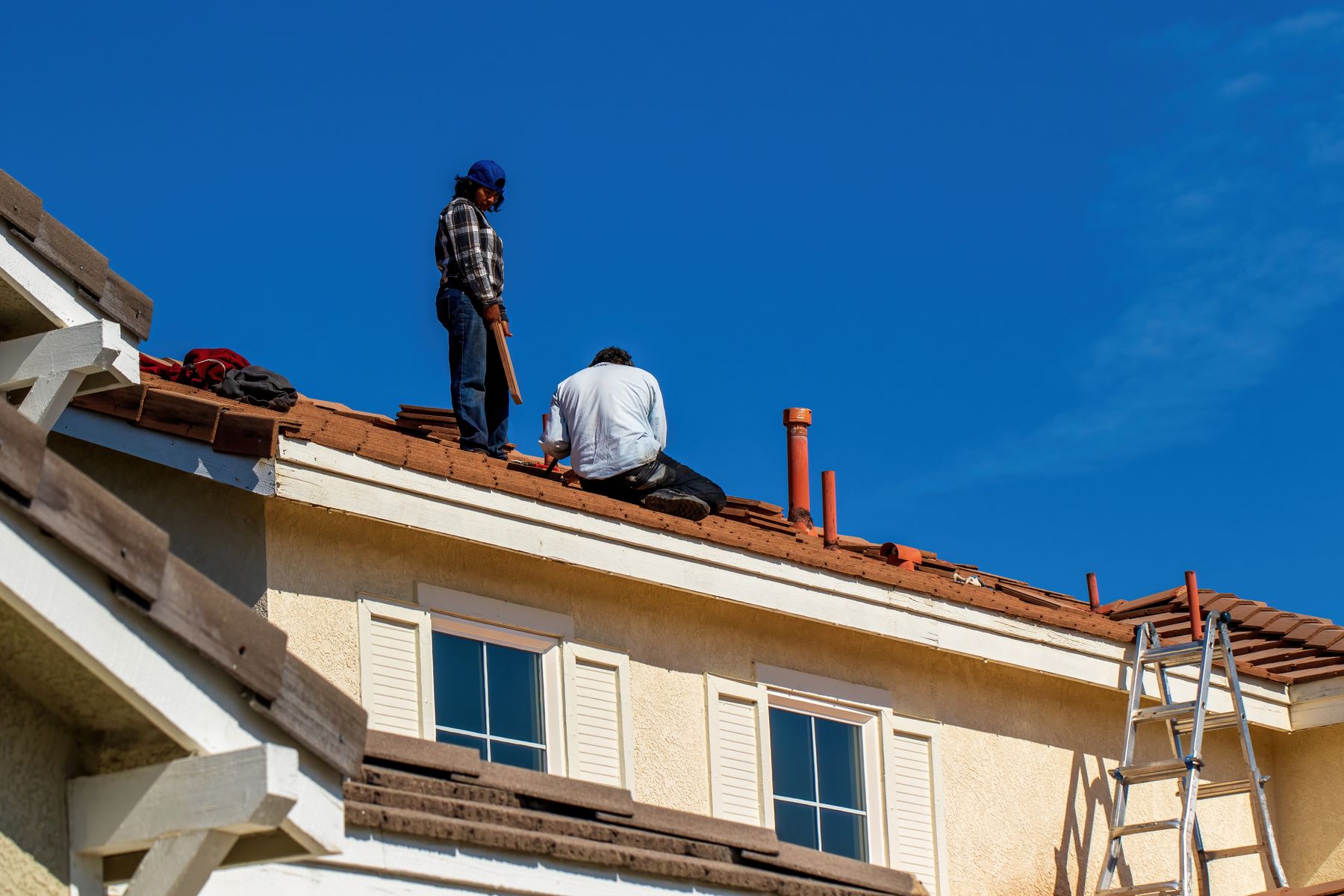
Roofer lifting tile during a Phoenix tile roof repair evaluation
The right recommendation depends on what is damaged, what remains sound, and what will solve the problem.
Repair when it works

Phoenix Roof Repair or Roof Replacement: How the Decision Is Made

A leak does not automatically mean you need a new roof. The decision depends on the source, the extent of the damage, the age and condition of the surrounding system, and whether a repair can reconnect the affected area to a dependable water-shedding path.

When Roof Repair May Be Enough

Repair may be the right choice when the problem is isolated and the surrounding roof remains serviceable. A few displaced tiles, a limited flashing defect, one damaged penetration, or a clearly identified leak source can often be addressed without replacing areas that are still performing. The proposed repair should identify the source, explain which materials will be disturbed, and restore the correct layering around the damaged area. Sealant may help temporarily, but it cannot replace reconstruction of an incorrectly layered detail.

When Replacement Is the Better Investment

Replacement becomes more practical when deterioration is widespread, leaks are appearing in several areas, underlayment is failing, shingles are extensively brittle or missing, deck damage is broad, or repeated repairs are no longer delivering dependable results. It may also be the better investment when isolated repairs would disturb large portions of an aging system. The decision should account for both the immediate leak and the remaining condition of the roof.

We show you what we found and connect the evidence to the recommendation. If repair can reasonably solve the issue, we explain it. If replacement is the stronger option, you will understand what is failing, which roof areas are affected, what the proposed work includes, and why it is the better fit. Photographs, measurements, and a clear written scope make that conversation more useful than a recommendation based only on roof age or a quick view from the ground.

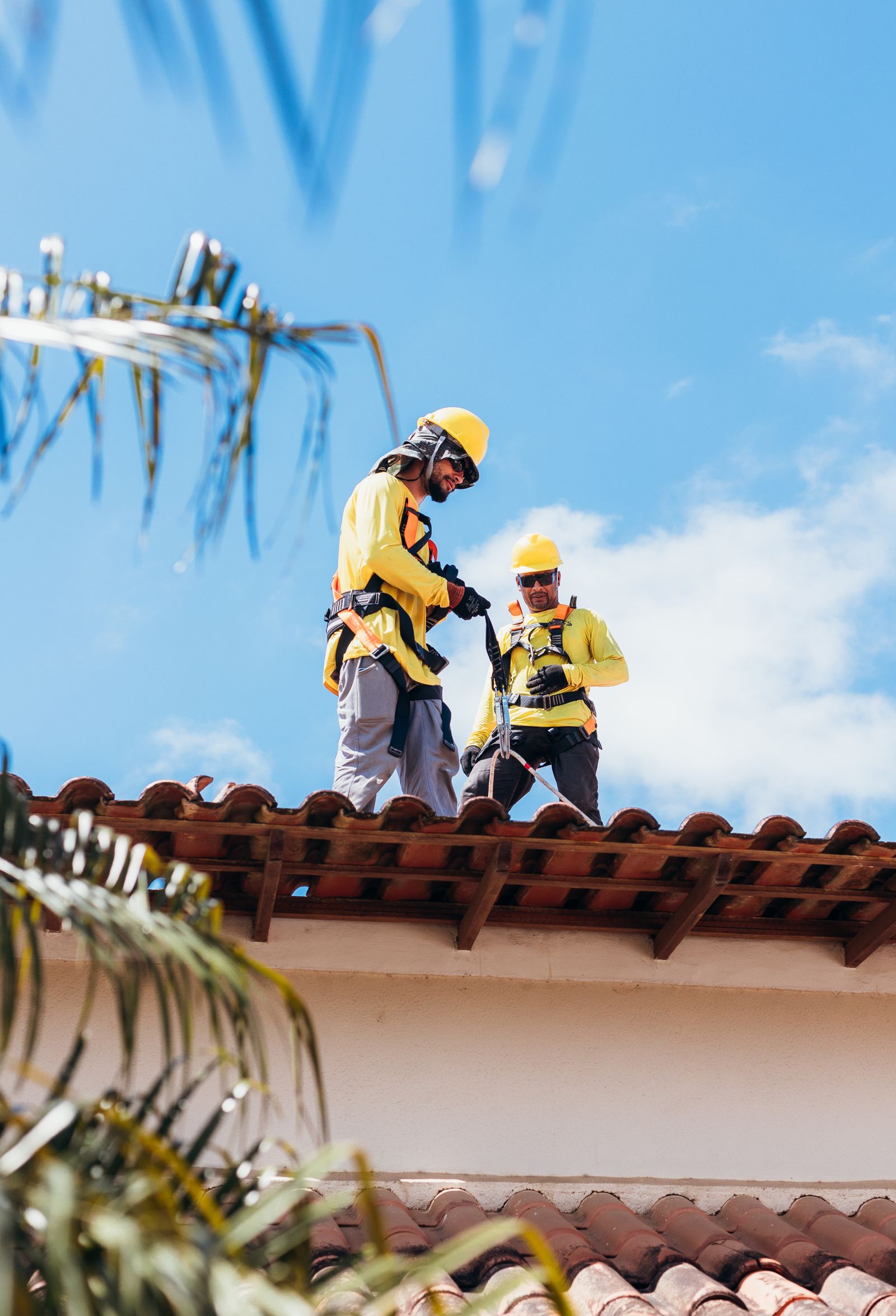
Roofing professional completing a detailed roof inspection
First understand the roof. Then build the scope, compare options, and discuss price.
Inspection before estimate

Start With a Free Phoenix Roof Inspection

An interior stain rarely tells the whole story. Water can travel along decking, framing, fasteners, or underlayment before it becomes visible, so the wet area inside may not sit directly below the exterior opening. We inspect the roof surface along with valleys, sidewalls, transitions, vents, skylights, penetrations, drains, scuppers, parapets, and the places where different materials meet. Accessible attic or interior evidence can also help connect the symptom to a likely path of entry.

Different systems reveal problems differently. Tile roofs can hide aging underlayment beneath an intact surface, and displaced or broken pieces may expose vulnerable areas to sunlight and debris. Shingles may lift, crack, lose granules, expose fasteners, or weaken at edges and penetrations. Flat and low-slope roofs require close attention to seams, coatings, blisters, ponding, drains, scuppers, walls, and penetrations. The inspection should reflect the actual material instead of applying the same checklist to every roof.

After the inspection, we explain what we found, whether repair or replacement makes sense, and which materials fit the roof. That conversation should distinguish urgent defects from normal aging and identify any condition that cannot be confirmed until materials are removed. From there, we can build the scope, discuss insurance documentation or financing when relevant, confirm promotion eligibility, and plan the next step. Pricing follows the scope so the proposal reflects the actual property rather than a generic square-foot estimate.

The right system for the roof

Roofing Materials for Phoenix Homes

The best material is the one that fits the roof’s slope, structure, drainage, architecture, exposure, and budget. No single system is right for every home.

01

Tile Roofing

Tile suits Phoenix architecture and performs well in desert conditions, but the visible tile is only part of the system. The underlayment beneath it provides critical water protection, which means a roof can look sound from the street while aging materials below are creating risk. That distinction matters during inspection because broken tile and worn underlayment are different problems. One may be local, while the other may extend across the roof. The roof structure, tile weight, profile, and availability of matching pieces also affect the plan.

A complete plan addresses underlayment, flashing, valleys, walls, vents, pipes, skylights, roof edges, battens when applicable, and tile replacement or reuse. The goal is not simply to move tile. It is to rebuild the protective system beneath and around it. When tile will be reused, staging, expected breakage, replacement supply, and color variation should be discussed before work starts. If underlayment is being replaced, the proposal should clarify which flashing or metal details will also be renewed rather than simply covered.

  • Concrete and clay tile considerations
  • Underlayment and flashing evaluation
  • Broken tile identification and replacement planning
02

Asphalt Shingle Roofing

Asphalt shingles offer practical installation, familiar curb appeal, and a broad range of colors for many sloped Phoenix homes. A complete replacement includes the deck, underlayment, starter courses, edges, flashing, valleys, penetrations, ridge treatment, and ventilation, not just the shingle bundles. Sun exposure, ventilation, roof orientation, and attic conditions can influence how evenly the field ages, so roof areas should be evaluated together.

Product choice should balance appearance, performance requirements, and budget. The written scope should identify the supporting components so you can compare complete systems instead of comparing only a price per square. It should also state how flashing at walls and penetrations will be integrated, how valleys will be treated, and whether ventilation changes are included.

  • Deck and underlayment preparation
  • Starter, ridge, edge, and flashing details
  • Color and product options for the home
03

Flat and Foam Roofing

Flat and low-slope roofs require a different approach because water moves more slowly and drainage becomes especially important. Phoenix homes may use foam, coatings, membranes, built-up roofing, or a combination of sloped and low-slope systems. Each has different requirements for adhesion, thickness, reinforcement, surface preparation, and future maintenance. Existing moisture or deteriorated substrate can change the appropriate approach.

The scope should explain surface preparation or removal, substrate repairs, drainage, reinforcement at vulnerable details, the selected system, protective coating when applicable, and transitions to adjoining tile or shingles. It should also define how walls, parapets, curbs, drains, scuppers, and penetrations are tied into the new water-management layer.

  • Drain, scupper, and ponding evaluation
  • Seam, coating, foam, and transition details
  • Compatibility with adjoining roof systems
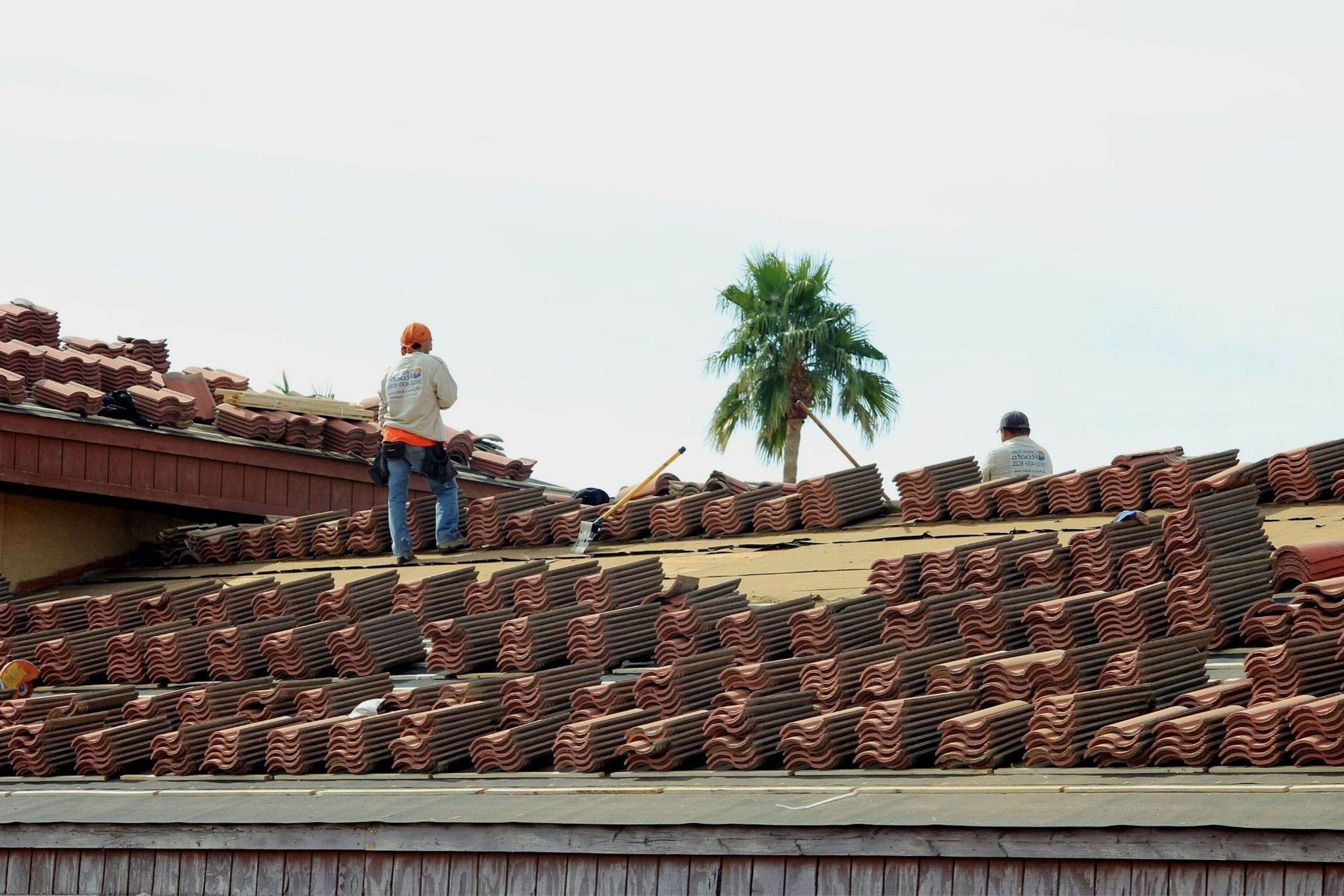
Phoenix roofer installing a new shingle roofing system
Arizona weather tests every layer of a roof, not only the material visible from the street.
Designed for desert extremes

Roofing Systems Built for Heat, Sun, and Monsoons

Arizona weather stresses the entire roof assembly. Ultraviolet exposure ages materials, daily heat creates movement at seams and flashing, dust affects drainage, and monsoon wind and rain expose weak edges, loose tile, and overlooked details. Roof surfaces can experience temperatures far above the surrounding air, then cool after sunset or a sudden storm. That repeated movement can reveal weaknesses at connections long before the main field material appears worn out.

The answer is not automatically the most expensive product. It is an intentional system with compatible underlayment, properly integrated flashing and penetrations, secure edges, and clear drainage through valleys, scuppers, and drains. Product labels matter, but installation details determine how those products connect. A premium surface cannot compensate for a poorly directed valley, an exposed edge, an incompatible layer, or a penetration treated as an afterthought.

Phoenix Roofing AZ gives the hidden details the same attention as color, profile, and curb appeal. The roof protects best when every component is planned to work together. That means considering where water will move, how heat will affect the assembly, which areas receive the most exposure, and how the selected system meets walls, equipment, drains, and adjoining roof types. Desert performance comes from the complete plan, not one feature by itself.

From inspection to final review

What Your Roof Replacement Should Include

Every roof is different, but every proposal should make the full sequence clear. These six stages connect the inspection to the finished system.

Inspection and Written Scope

The process begins by documenting visible conditions and defining exactly which roof areas are included. The written scope should identify preparation or removal, deck review, the selected roofing system, flashing and penetration details, disposal, cleanup, and final inspection, along with any coordination needed for solar panels, skylights, gutters, or other equipment. It should clearly distinguish included work from optional items and explain how changes will be approved.

Property and Site Preparation

Materials, equipment, debris containers, and crew access must be coordinated around the property. Before work begins, we review vehicle placement, gates, pets, landscaping, irrigation, fragile outdoor items, and anything inside the home that could be affected by construction vibration. Delivery and disposal areas should be planned to protect driveways, walkways, plants, and household access.

Roofing Removal and Deck Evaluation

Existing materials are removed or prepared according to the approved scope. Shingles are commonly removed to the deck, reusable tile may be carefully lifted and staged, and flat-roof preparation is matched to the existing assembly. Once exposed, the deck can be evaluated for conditions that were not previously visible. Any moisture damage, unsuitable patching, soft areas, or unexpected layers should be documented before additional work is authorized and covered by the new system.

The Water-Management Foundation

Underlayment, membranes, flashing, valleys, edges, and reinforced details create the protective foundation beneath the visible roof. The materials and installation sequence are matched to the selected tile, shingle, foam, membrane, or low-slope system. This is also the stage when walls, curbs, pipes, vents, skylights, and other penetrations must be tied into the water-management layer rather than sealed only at the surface.

New Roofing Installation

Once the supporting work is ready, the selected surface is installed. Layout, finished edges, penetrations, transitions, and consistent courses all affect how the roof performs and how it looks from the street. Material handling and fastening should follow the approved system, and adjoining roof areas should meet cleanly so the finished project operates as one coordinated assembly.

Cleanup and Final Walkthrough

Debris and excess materials are removed from the agreed work areas, accessible ground areas are checked, and the completed roof is reviewed against the scope. The final conversation should cover the finished project, normal maintenance, documentation, and any product or workmanship information included in the agreement. It is also the right time to identify stored extra materials, review photographs when available, confirm outstanding questions, and make sure the homeowner knows whom to contact after completion.

Clear help, separate decisions

Insurance Claim Documentation and Roof Financing

Insurance and financing can affect how a project is paid for, but neither should blur what the roof actually needs. We keep the roofing recommendation, coverage decision, and lending decision in their proper roles.

Roofing Documentation for an Insurance Claim

When wind, hail, or another event may have damaged the roof, Phoenix Roofing AZ can document visible conditions with photographs, measurements, observed damage, and a proposed roofing scope. The information can identify affected roof areas, material types, vulnerable details, and the construction work being proposed. Clear documentation helps you and the insurance carrier understand what was observed without turning the roofing inspection into a promise about coverage.

The insurance carrier determines coverage, exclusions, deductibles, depreciation, and claim payment. We do not promise approval or interpret the policy. Our role is to provide roofing expertise and accurate construction information while you review coverage questions with your insurance representative. If the carrier requests legitimate clarification about measurements, materials, or the proposed scope, roofing details should be answered accurately while policy decisions remain with the licensed insurance professionals involved.

Roof Replacement Financing

Financing may allow qualified homeowners to spread the cost of an eligible project over scheduled payments. This can be useful when necessary roof work cannot reasonably wait for a future cash budget or when a homeowner prefers to preserve other funds. Available programs, rates, fees, terms, and approval requirements can vary by lender, applicant, and project.

Before accepting an offer, compare the annual percentage rate, total amount financed, term, estimated payment, fees, promotional period, and what happens when that period ends. A smaller monthly payment can reflect a longer repayment period, so both the payment and total cost deserve attention. The lender controls approval and final terms, and the financing agreement should be reviewed separately from the roofing scope.

Current new-roof promotion: Ask how to save up to $1,500 on an eligible new roof. Qualification, project minimums, timing, and availability may apply. Call (602) 582-9009 for current details before signing the project agreement.
Phoenix home with a complete tile roofing system
A dependable roof should not be replaced simply because one area needs attention.
Replacement has to earn its place

When Phoenix Roof Repair Is the Right Call

Roof repair may be the better recommendation when the defect is limited, the surrounding materials remain serviceable, and focused work can restore a continuous water-shedding system. That judgment should consider the age of the affected area, the condition of adjacent materials, prior repair history, and whether the source can be reached without disrupting a much larger portion of the roof. The repair should address the cause, not merely cover the visible symptom.

That may mean replacing broken tile, correcting flashing, repairing a limited shingle area, rebuilding a penetration detail, addressing a localized flat-roof defect, or correcting a valley or wall transition. The right repair depends on the system and what the inspection reveals. Materials may need to be removed beyond the visible damage so the new work can overlap sound layers correctly. Matching aged tile, shingles, texture, or color may also affect the finished appearance.

A repair estimate should state which area will be addressed, which materials are expected, what is excluded, and whether aged tile or shingles may be difficult to match. It should also explain access limits, cleanup, and what happens if opening the area reveals more extensive deterioration. If broader aging remains, we explain that too, so you know whether the repair is expected to be a lasting solution, a practical temporary measure, or a bridge to planned replacement.

A price needs a real scope

What Affects Roof Replacement Cost in Phoenix

Square footage matters, but it is only the beginning. The roof system, geometry, access, removal plan, supporting components, and concealed conditions all affect the final scope and price.

Roof Size, Slope, and Complexity

Pitch, overhangs, garages, porches, and multiple roof planes make roofing area different from interior living space. Steep slopes, two-story access, tight property lines, valleys, walls, and numerous penetrations also affect staging and labor. Material loading, safe access, debris removal, and the number of detailed cuts or transitions can change the time required even when two homes have similar square footage. A measured roof plan and site inspection provide a more useful starting point than a rough online estimate.

Existing Roofing and Removal

Tile, shingles, foam, coatings, built-up roofing, and membranes require different removal or preparation. Existing layers, disposal volume, tile reuse, material weight, debris-container access, and cleanup all affect cost and should be identified in the proposal. Some systems can be prepared for an approved new layer, while others require removal to reach a suitable substrate. The labor, equipment, protection, and disposal plan should match the actual assembly rather than a generic tear-off assumption.

Decking and Concealed Roof Conditions

Some deck damage cannot be confirmed until old roofing is removed. Moisture, dry rot, delamination, old patching, or unsuitable surfaces may require additional work. The agreement should explain how concealed conditions will be documented, approved, and priced if they are found. Unit pricing, allowances, photographs, and written authorization can prevent an unexpected discovery from becoming an unclear bill. The new roofing system should not hide a substrate that cannot support it properly.

Roofing Material and System Components

Product type, profile, underlayment, membrane, flashing, edge metal, fasteners, ventilation, coatings, and installation requirements all affect price. Compare complete scopes, because a lower total may simply omit components included in another proposal. Brand names alone do not make two scopes equal. Compare the product level, supporting layers, accessory materials, installation details, roof areas included, and how each company handles preparation, cleanup, and concealed work.

The most useful roof price begins with the actual roof. Call (602) 582-9009 to request a free inspection and a project-specific proposal.
A clearer way to plan roof work

What to Expect From Phoenix Roofing AZ

Our approach is simple: inspect carefully, explain clearly, write a complete scope, and keep the recommendation tied to what the roof actually needs. You should understand the evidence, the proposed solution, and the important limits before deciding how to proceed.

Inspection Before Recommendation

We begin with visible conditions rather than a predetermined sale. You should be able to connect our recommendation to specific roof conditions and understand why repair or replacement is being discussed. When more than one practical option exists, the differences should be explained in terms of scope, expected result, and future planning.

A Written Scope You Can Understand

The proposal should identify the roof areas, materials, supporting components, preparation or removal, cleanup, and project expectations. It should also explain exclusions, how concealed conditions are handled, and which decisions must be finalized before ordering. Clear scopes make it easier to compare value, not just totals.

Attention to the Complete Roofing System

Tile, shingles, membrane, foam, or coating matter, but so do the deck, underlayment, flashing, valleys, penetrations, edges, and drainage. We keep those less visible components visible in the conversation because they direct water, connect materials, and support the finished surface you see.

Clear Help With Insurance and Financing

We can provide roofing documentation for an insurance claim, explain the available financing path, and confirm promotion eligibility while keeping coverage, lender approval, and discounts clearly separated. That separation helps you understand which party controls each decision and prevents a payment discussion from replacing the roofing recommendation.

Call (602) 582-9009 to talk through your roofing concern or request a free inspection. The first conversation should help you understand the next step, not pressure you into the wrong one.

Know what happens next

Preparing Your Home for Roof Replacement

After the inspection, we review the findings and recommended scope. If replacement is appropriate, you can compare materials, colors, project options, pricing, insurance considerations, financing availability, promotion eligibility, and scheduling before signing the agreement. Questions about roof areas, supporting components, material reuse, equipment coordination, cleanup, or payment should be resolved before materials are ordered and the construction calendar is set.

Before installation, we coordinate access, material delivery, equipment, and property preparation. Vehicles may need to be moved, gates opened, pets secured, and fragile items protected. Irrigation, lighting, landscaping, or access concerns should be identified before the crew arrives. Inside the home, vibration can affect loosely hung decorations or sensitive objects, so temporary preparation may be recommended even though the work occurs outside.

During the work, weather and concealed conditions can affect the schedule. If the exposed roof reveals a needed change, it should be documented and discussed promptly. The approved system is then completed, agreed work areas are cleaned, and the project ends with a final review. Clear updates about progress, discoveries, schedule changes, and remaining steps help the homeowner follow the project without having to interpret construction activity from the ground.

Roofing professional preparing structural framing for a roofing system
A clear scope and steady communication keep the project understandable from the first inspection to the final review.
Start with answers

Start With a Free Phoenix Roof Inspection

Whether you have a leak, visible wear, storm concerns, or repeated repairs, the next step is the same: understand the roof. Phoenix Roofing AZ will inspect the system, explain the options, and help you build a clear plan. If replacement is appropriate, ask about financing and up to $1,500 off an eligible new roof.

Call (602) 582-9009
Straight answers for Phoenix homeowners

Phoenix Roofing FAQs

Start with the common questions below, then let the actual roof determine the recommendation.

Do I need roof repair or roof replacement?

Repair may be enough when damage is localized and the surrounding roof remains serviceable. Replacement becomes more likely when leaks appear in several areas, underlayment or shingles are broadly deteriorated, deck damage is extensive, or repeated repairs no longer provide dependable results.

Age alone does not decide it. A free inspection allows Phoenix Roofing AZ to connect the recommendation to the roof’s visible condition, vulnerable details, drainage, and accessible signs of moisture.

How long does roof replacement take?

Timing depends on roof size, material, slope, access, removal, deck repairs, architectural complexity, scheduling, required inspections, and weather. A straightforward shingle roof may move faster than a large tile project or a home with several roof systems.

Your proposal should include a realistic project window for the property. Weather or concealed conditions can change that window, so clear updates are more useful than a one-size-fits-all promise.

Can existing roof tile be reused?

Sometimes. Suitable tile may be carefully lifted, staged, and reinstalled while the underlayment and related water-management details are replaced. Reuse depends on tile condition, profile, breakage, matching availability, and the approved system.

The proposal should state whether reuse is planned, how broken pieces will be handled, and whether color variation is expected. The priority remains a dependable protective system beneath and around the tile.

Does homeowners insurance cover roof replacement?

It may cover certain sudden, accidental, or storm-related damage when the cause and scope fall within the policy. Normal aging, maintenance, wear, and stated exclusions are generally treated differently. The insurance carrier makes the coverage decision.

Phoenix Roofing AZ can document visible conditions with photographs, measurements, scope information, and construction details. We do not promise claim approval or interpret policy terms, so coverage questions should be reviewed with your insurance representative.

What roof financing options are available?

Qualified homeowners may be able to divide an eligible project cost into scheduled payments. Available programs, rates, terms, fees, and approval requirements vary by lender and applicant.

Before accepting an offer, compare the annual percentage rate, total financed amount, loan length, estimated payment, promotional terms, fees, and early-payoff conditions. The lender controls approval and final terms.

How does the up to $1,500 new-roof offer work?

The promotion may provide up to $1,500 in savings on an eligible new roof. The available amount can depend on the project, minimums, timing, availability, and other stated terms. Confirm the discount in writing before finalizing the agreement.

Call Phoenix Roofing AZ at (602) 582-9009 and mention the offer when scheduling your free inspection. Insurance coverage, financing approval, and promotion eligibility are separate decisions.

Which roofing material is best for my Phoenix home?

The best material depends on slope, structure, architecture, drainage, material weight, maintenance expectations, product requirements, and budget. Tile and shingles suit many sloped homes, while foam, coatings, membranes, or built-up systems may suit flat and low-slope areas.

The visible material is only one component. Deck condition, underlayment, flashing, penetrations, edges, valleys, drains, scuppers, and transitions must also work together. We compare suitable systems after inspecting the roof.

Can you replace both tile and flat roof sections?

Many Phoenix homes combine sloped tile or shingles with flat or low-slope areas. One replacement plan can address both when the scope identifies each system, the selected materials, and how the roof areas connect.

Transitions deserve special attention because each system manages water differently. Parapets, scuppers, drains, sidewalls, penetrations, and roof-to-wall connections should be coordinated in the written scope.

Should I replace my roof before installing solar panels?

If the roof is near replacement or significantly deteriorated, completing roof work first may avoid the later cost of removing and reinstalling panels. If the roof remains serviceable, an inspection can identify repairs or flashing work that should be considered before solar installation.

Roofing and solar are separate trades that must coordinate attachments, penetrations, access, warranties, responsibilities, and scheduling. Tell us about existing or planned solar equipment during the inspection so it can be reflected in the scope.

What should I compare in roofing proposals?

Compare the included roof areas, preparation or removal, material system, underlayment or membrane, flashing, edges, valleys, penetrations, deck-repair procedure, ventilation when applicable, cleanup, equipment coordination, change-order process, schedule, and payment terms.

Confirm that each company is describing a similar scope before comparing totals. Also ask who will communicate during the project, how concealed conditions are handled, and which promotions or payment options are actually included.